If someone wants a builder to construct a new home for them, they have two main options:
- Pay the builder directly using their own funds—something very few people can afford to do,
- Or have the builder front the costs—including permits, materials, and labor.
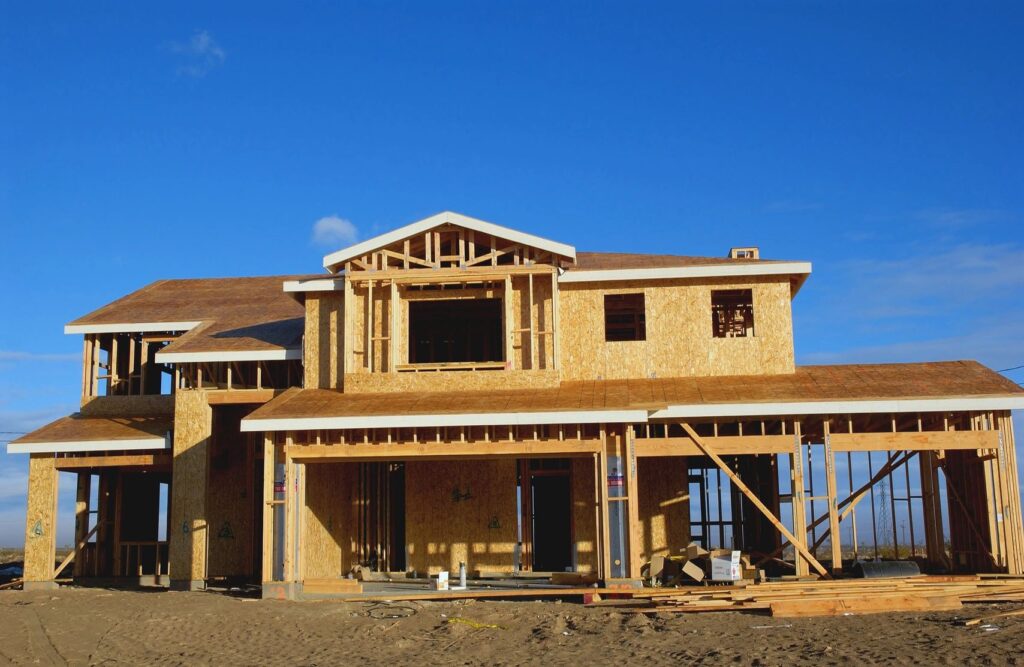
However, asking the builder to cover all the construction costs upfront is both expensive and risky. Most builders are not willing to build a custom home on a “cash on delivery” (COD) basis.
If the buyer backs out of the deal, the builder could be left with a completed home and no guaranteed sale—resulting in a significant financial loss unless another buyer steps in.
There are three primary types of builder or contractor financing available:
- Construction-to-Permanent Loans (One-Time Close):
A single loan that covers both the construction phase and the permanent mortgage. The loan converts automatically to a traditional mortgage once construction is complete. - Construction-Only Loans (Two-Time Close):
A short-term loan used to fund the construction of the home. Once the home is finished, the borrower must apply for a second loan to pay off the construction loan and convert to a permanent mortgage. - Builder/Developer Financing:
Financing provided directly by the builder or developer, often in partnership with preferred lenders. This can include incentives such as paid closing costs, rate buydowns, or custom upgrades.
How a Construction Loan Works
A construction loan is a short-term loan that funds the building of a new home. Before the loan is approved, the borrower must first qualify for the full loan amount under the terms of the final (permanent) mortgage.
Once qualified, the lender orders an appraisal of the land. The lender’s construction loan department reviews this appraisal along with the builder’s:
- Licenses and permits
- Building plans and specifications
- Blueprints and construction schedule
If the projected cost appears reasonable and the borrower can afford the loan, a loan closing is scheduled!
During the construction phase, the borrower typically makes interest-only payments to the lender, and those payments are calculated based only on the amount of funds that have been disbursed so far.
Some lenders, however, may defer these payments entirely—adding the accrued interest to the final loan balance instead of requiring payments during construction.
If the construction costs exceed the original estimate, the borrower must either qualify for a larger loan or cover the extra costs out of pocket.
Additionally, the lender is required to disclose the source of all funds being used to finance the construction of the property.
🏗️ At Closing:
- The lender typically pays for the land and an initial percentage of the construction costs as agreed in the contract.
- The builder transfers title of the land to the borrower.
- A lien is placed on the property by the lender, and the builder may also file a mechanic’s lien to protect their work.
🔁 Draw Schedule & Inspections:
As construction progresses:
- The builder requests additional payments (called “draws”) based on milestone completions (e.g., foundation, framing, roofing).
- Before releasing funds, the lender inspects the property to verify the work is complete and meets quality standards.
- If the inspection passes, the lender releases the next scheduled payment.
This process repeats until the home is 100% complete and all loan funds are disbursed.
🔚 After Construction:
Once the home is finished, the construction loan must be paid off in full. This can happen by:
- Selling the property
- Refinancing into a permanent mortgage
- Paying the balance with personal funds
The Construction-to-Permanent Loan
A construction-to-permanent loan is a type of construction financing that transitions into a standard “end loan”—a long-term mortgage—once the construction is complete. This setup can be structured as either a one-close (single closing for both phases) or a two-close (separate closings for construction and permanent financing).
During construction, the borrower and loan originator arrange the terms for the permanent loan. Once the home is built, that end loan is used to pay off the construction loan, and the borrower continues with the selected traditional or non-traditional mortgage.
While lenders may offer longer rate lock periods, locking a rate for more than 90 days can be expensive. Borrowers should be cautious when deciding when to lock their rate—if construction is delayed and the rate lock expires, extension fees may apply.
Many home dreamers are building their own homes because buying a used home means inheriting any problems that may arise and adapting to the look of the old house.
By building their own home they truly get a fresh start and a home they truly love!
If this something you would like to do contact Miami Mortgages to get you pre-approved for a construction loan!